Pest Control: Successful Strategies to Protect Your Property and Organization
Pest Control: Effective Plans to Shield Your Living space and Organization
Preface to Pest Control
Pest Control encompasses the regulation or management of critters designated as pests – life forms that negatively influence individual's activities or surroundings. In New Jersey, where diverse ecosystems meet residential and urban development, potent Pest Control is not solely a nonessential but a necessity for preserving healthy dwelling and occupational atmospheres. From the extensive localities of Monmouth County to the cohesive residential areas of Matawan, pest issues can affect anyone, irrespective of how clean or well-maintained their dwelling may be.
The significance of using useful Pest Control tactics could not be exaggerated. For occupants, pests can deteriorate architectural strength, spoil food provisions, and create major health perils. Businesses deal with these equivalent obstacles, with the supplementary concern of status destruction and prospective loss of consumers if outbreaks are discovered. Typical pests in New Jersey include rodents like rats and mice, diverse insects such as ants, cockroaches, and bed bugs, and the notably devastating termites that can stealthily impair a building's groundwork.
The Rationale Pest Control Is Significant
Health Hazards of Pest Control Treatments
A lot of pests bear and convey ailments that can affect people and pets. Small mammals are identified hosts of hantavirus, salmonella, and leptospirosis. Cockroaches can cause asthma bouts and hypersensitivity sensitivities, specifically in youngsters. Ticks, abundant in New Jersey's sylvan spots, are distinguished for distributing Lyme disease, while mosquitoes can transfer West Nile virus and Eastern Equine Encephalitis. Skilled Pest Control supports reduce these health hazards by eradicating the origin of these possible disease transmitters.
Building Injury in Pest Control
The architectural injury induced by pests can be significant and high-priced. Termites solely generate over $5 billion in real estate damage annually all over the United States, with New Jersey homes being remarkably open due to the state's climate. Vermin can nibble through power cables, making fire threats, while their continuous biting can destroy thermal barriers, pipes, and wood basic elements. Even relatively harmless ants can compromise lumber structures if neglected unaddressed, specifically carpenter ants which are widespread in Monmouth County.
Economic Implications of Pest Control Services
Avoiding pest invasions can generate considerable fiscal repercussions. What may originate as a insignificant problem needing basic handling can swiftly amplify into a major predicament calling for comprehensive repair. For establishments, specifically those in the food business or guest service businesses, pest problems can lead to deficient health assessments, provisional suspensions, and long-term damage to standing and patron confidence. Allocating resources in routine Pest Control is not simply about instantaneous contentment—it's a long-term economic shield.
Pest Control: Common Household and Firm Pests
Small Mammals (Rats and Mice)
When it comes to identifying rodent problems in your New Jersey home, alertness is fundamental. You can perceive waste near food stocks, in drawers, or beneath sinks. Gnaw marks on food enclosures, wood, and electronic cables are evident indicators of their occupancy. At nighttime, you may notice scratching rackets in barriers, overhead surfaces, or under floors as these evening critters transform into dynamic. If you uncover nests created from shredded stationery, fabric, or dried plant stuff, that's a clear signal rodents have constructed themselves home. Greasy rub marks next to baseboards and walls manifest as rodents practice the identical paths often, while your pets may reveal odd actions such as woofing or clawing at places underneath instruments or fixtures where rodents camouflage.
Rodents in New Jersey homes and firms create several threats beyond only bother. They can pollute food and cooking planes with germs found in their urine and stools. Their continuous compulsion to bite can ruin property, especially cables, which creates fire dangers. In Matawan and encompassing locations, the Norway rat and house mouse are exceptionally challenging, thriving in both city and outlying locations. Productive Pest Control approaches are critical to control these ruinous trespassers.
Creepy Crawlies (Ants, Cockroaches, Bed Bugs)
Insect invasions reveal themselves in various manners based on the type. Ant problems become apparent when you detect apparent ant lines going to food supplies, or when you find tiny mounds of dirt or wood splinters generated by carpenter ants. Cockroach invasions often display themselves through dark droppings similar to coffee grounds or black pepper, a particular damp aroma that penetrates infested locations, and the existence of egg coverings in concealed corners. Bed bug troubles become apparent as rust-colored speckles on mattresses and furniture, shed skins near reposing places, microscopic blood blemishes on sheets, and uncomfortable red bumps on skin usually placed in a row or collection.
Arthropods represent the most assorted group of pests in New Jersey. Cockroaches can prompt asthma and allergies while disseminating numerous germs. Bed bugs, while not disease transmitters, create significant soreness, sleep interference, and mental torment. Specific ant species, like carpenter ants prevalent in Monmouth County's wooded spots, can produce structural harm equivalent to termites during time. Qualified Pest Control providers can detect distinct insect classes and put in place aimed management plans that confront the special actions and exposures of each pest.
Termites
Detecting termite existence soon needs comprehending the subtle signs of their being. You possibly see dropped wings near casements and access points after swarmers have identified a mate and founded a new settlement. Mud tubes on outside surfaces, timber beams, or in crawl cavities operate as protected highways for these detrimental bugs. Wood that echoes unfilled when tapped demonstrates termites have been dining from inwardly. Access points and openings that abruptly attach may reveal twisting from termite injury, while fractured or rising paint looking like water destruction often conceals termite activity underneath. Spotting frass—termite droppings akin to minuscule wood-colored specks—offers another validation of their uninvited presence.
Termites pose perhaps the most significant foundational risk among all prevalent pests. In New Jersey, the Eastern subterranean termite is abundant and notably detrimental. These arthropods can remain hidden for durations while making vast damage to lumber architectural elements. Homes in Matawan and all over Monmouth County, mainly older structures, are susceptible to termite invasions. The typical outlay of term pest control.
Pest Control Safety Aspects
Secure Utilization of Chemicals and Products in Pest Control
When chemicals become essential in your pest control strategy, prioritizing protection needs attention to several crucial procedures that protect persons, pets, and the surroundings. Always examine and adhere to product guidelines exactly, as these legally-binding instructions reflect extensive examination and regulatory assessment intended to decrease risks. Utilize the least successful volume of pesticide to accomplish management while minimizing unnecessary substance incorporation into your living area. Administer chemicals only in zones stated on the label, preventing unauthorized applications that may cause unforeseen dangers or diminish efficacy. Utilize suitable safeguarding equipment as indicated by chemical companies to eliminate personal exposure during use. Keep products in their initial bottles with instructions undamaged to keep entry to security information and prevent misidentification. Record complete records of all treatments, writing down substances applied, concentration levels, places applied to, and times of use for later reference. Permit appropriate setting and air circulation before returning to serviced locations, especially significant in New Jersey's climate where dampness can alter curing times. Examine safer alternatives when viable, as developments in pest elimination have developed many less-hazardous options that retain performance while lowering potential dangers.
Protecting Pets and Kids During Pest Control Services
Particular measures become essential when performing pest control measures in homes with at-risk family members. Remove animals throughout treatment and until areas are cured to prevent immediate exposure with moist products or vapors that could create negative reactions. Cover or remove pet food, drinking bowls, and items before service to prevent pollution that could lead to accidental consumption. Keep children's playthings away from service locations, specifically items that young kids might place in their mouths. Wash and sterilize meal preparation areas after treatment, even if they weren't specifically treated, to get rid of any leftovers that might have settled during treatment. Hold children Capitol Exterminating System pest control service New Jersey distant from applied areas for the specified time, prolonging this duration for mobile infants who have greater direct exposure with floors and bottom surfaces. Evaluate non-toxic to pets and kid-friendly chemical choices when obtainable, as many modern chemicals focus on specific pest anatomy while minimizing animal toxicity. Most crucially, notify qualified technicians about the occurrence of companions, children, or pregnant family occupants before they create treatment approaches, enabling them to adapt strategies and product options suitably.
Official Standards and Adherence with Pest Control
Pest control in New Jersey operates within a legal structure designed to protect community health and the environment while guaranteeing effective pest control. The New Jersey Department of Environmental Protection manages pest management activities, mandating qualified pest management firms to meet defined specifications. Firms must use certified applicators who have succeeded in state examinations displaying expertise in pest science, service approaches, and security procedures. These firms must keep proper insurance protection defending both their specialists and their customers from possible harm or harm associated with pest control activities. Strict rules oversee chemical housing, movement, and removal to prevent environmental pollution and illegal access. Experts must provide Safety Data Sheets upon demand, documenting the attributes and risks of products utilized in applications. Notice guidelines pertain for certain treatments, particularly in multiple-unit dwellings or business locations with several inhabitants. Complete application logs must be maintained, forming an review history of pest elimination procedures. Also, only products registered for use in New Jersey may be lawfully utilized, ensuring that area environmental conditions and environments have been examined in the licensing procedure. For industrial establishments in Matawan and throughout Monmouth County, further guidelines may pertain based on the field, particularly for food industry, health, and child care centers where pest elimination overlaps with further community safety aspects.
Natural Pest Control Options
Comprehensive Pest Control (IPM) Method
Integrated Pest Management embodies the highest measure in today's pest control, centering on sustained prevention through a mix of approaches that decrease natural influence while optimizing success. The IPM process commences with complete assessment and observation to determine pest activity precisely, forming starting data about species existing and amount counts. This leads to correct classification of pest species, guaranteeing treatment efforts address specific actions and vulnerabilities rather than applying general applications. Specialists create level levels that warrant treatment, realizing that the simple presence of a small number of organisms does not automatically require intervention if populations persist beneath damaging numbers. When control turns essential, IPM applies various treatment approaches in combination, generally commencing with safest strategies and escalating only when necessary. Across the method, experts assess success and adapt techniques as required, establishing a dynamic strategy reactive to shifting conditions. Most significantly, IPM focuses on protection over intervention, dealing with construction and surrounding conditions that sustain pest populations rather than merely removing active pests. Many pest control organizations in New Jersey supply IPM-based programs that correspond with the state's drive toward reduced-risk pest treatment approaches, especially in delicate areas like schools, healthcare facilities, and nutrition processing operations.
Chemical-Free Treatment Techniques
Efficient pest control often combines non-chemical techniques that can resolve or minimize pest issues without inserting pesticides into the environment. Mechanical barriers such as screens, entrance sweeps, and filling eliminate pest invasion entirely, addressing the trouble at its origin. Mechanical methods like catches and blocking equipment extract present creatures while preventing new arrivals. Natural approaches featuring advantageous bugs and microbes introduce biological antagonists that target particular pests while keeping helpful creatures protected. Environmental practices change the setting to repel insects, such as adjusting watering patterns to lower moisture that attracts some insects. Habitat adjustment decreases harborage and food supplies, creating areas less hospitable to troublesome visitors. For specific pests like bed bugs, heat processes offer highly efficient control without toxic remains by boosting thermal levels beyond the heat death limit for all living periods of the specific pest. Comparably, refrigeration procedures for warehoused goods organisms like cereal bugs or kitchen pests can eradicate problems in consumable items without chemical pollution. These approaches prove notably beneficial in New Jersey's varied environments, where proximity to water systems, protected natural locations, and thick residential hubs produces multiple situations where chemical minimization turns desirable or required.
Eco-Conscious Pest Control Control Methods
The pest control business continues to advance toward greater sustainable practices that retain success while minimizing natural impact. Natural pesticides extracted from organic compounds like chrysanthemum extract, neem oil, and natural essences supply focused treatment with reduced duration in the surroundings. Living products including microbes, organisms, or organisms that aim at individual pest organisms supply exactness that conventional broad-spectrum products cannot equal. Maturation inhibitors that prevent pest mating by blocking with maturation processes offer long-term population suppression without instant poisonous effects on fully-grown organisms. Pheromone tools that monitor or disrupt pest mating help identify when intervention becomes required and can prevent procreation in certain varieties. The business progressively implements minimal-impact pesticides with reduced environmental effect, shifting away from traditional chemistries with wider influences on beneficial life forms. Targeted delivery methods that minimize total substance use apply applications directly where essential rather than broadcasting materials around large spaces. Eco-friendly certification initiatives for pest control businesses determine guidelines for ecologically preferable treatment and supply clients with plain recognition of businesses dedicated to sustainable practices. In naturally delicate regions of New Jersey, containing areas of Monmouth County with proximity to marine bodies, these environmentally-friendly techniques are specifically useful for defending both human wellness and environmental habitats while still delivering efficient pest control.
Finding a Local Pest Control Service Provider in New Jersey
Capitol Exterminating System
272 NJ-34
Matawan, NJ 07747
(732) 441-1900
Frequently Posed Questions (FAQs) about Pest Control
How commonly should pest control be conducted?
For numerous New Jersey houses, every three months pest control delivers proper safeguarding against recurring pest challenges. This timing aligns with the region's distinct seasons, each producing different pest difficulties that require preventive focus. Springtime services usually handle arising ant populations and dormant organisms growing lively. Summer services center on mosquitos, ticks, and multiple winged pests that thrive in elevated weather. Fall applications set up properties for rodents and overwintering insects searching for protection as temperatures drop. Winter treatments sustain safeguarding against inside pests while handling mouse and rat activity at its greatest. However, this timing may increase for buildings with certain danger aspects or persistent troubles that demand additional intensive management. Homes close to forested locations in Monmouth County may gain from further tick and mosquito treatments throughout maximum times. Homes with background of individual pest problems commonly demand targeted secondary services over the normal four times yearly frequency. Business establishments, specifically food business operations in regions like Matawan, commonly demand frequent attention to keep conformity with safety regulations and eliminate invasions that could injure credibility and business activities.
Is specialist pest control secure for animals?
When performed properly, qualified pest control can be harmless for companions through careful material selection and application methods that reduce contact. Modern directed usage techniques and reduced-risk chemicals have substantially improved protection aspects against traditional pest control techniques. Contemporary applications often utilize formulations specifically designed to have minimal danger to mammals while remaining successful against target pests with different anatomies. Specialist technicians acquire training in usage methods that position chemicals in zones companions cannot get to, such as structural spaces, splits and spaces, or back of machines. Nevertheless, companions should be removed throughout service and until all services have set completely, obeying individual rest intervals proposed by the chemical company and professional. Water containers should be enclosed and oxygen pumps shut down during service to prevent exposure from floating debris. Pet objects containing beds, objects, and eating equipment should be taken away or enclosed throughout service. Discuss any issues with your pest control provider, who can recommend appropriate rest intervals depending on the specific applications employed and adjust approaches for homes with particularly delicate animals like birds or lizards and snakes that may have distinct physical susceptibilities than cats and dogs.
What are the evidence of a significant pest infestation?
Apart from seen organisms directly, numerous danger signals indicate probably serious invasions needing prompt pest control intervention. Unusual odors frequently arise with big invasions – musty, oily odors may indicate rodents, while sugary, distinctive smells occasionally accompany German roach populations. Unknown building destruction like drooping surfaces, bubbling finish, or crumbling lumber may indicate termite infestation or wood-boring ant invasions damaging support elements. Odd sounds within walls or attics, particularly at night, regularly suggest small mammal activity as these nighttime organisms become active in concealed spaces. Too much particles looking like small debris around wood parts may actually be droppings or excrement from lumber-eating organisms. Some homes experience puzzling physical problems like airway issues or irritation that go away when absent from residence, probably indicating creature infestations altering inside environmental standard. In New Jersey homes, focused care should be paid to underground and crawlspace areas where dampness problems can encourage pest communities, specifically in mature homes throughout Monmouth County where foundation openings and decaying cement create many penetration places. Finding many lifeless pests of the identical species implies a greater population near, while oil traces around trim suggest established small mammal passages with frequent use.
Can I stop creatures without pest control products?
Indeed, various creatures can be stopped through correct cleaning, prevention, and living space modification without applying pesticide treatments. The cornerstone of non-toxic pest control initiates with detailed prevention procedures – closing fissures, openings, and access points that let pests to enter homes in the beginning spot. Placing entry strips, restoring broken mesh, and filling service holes stops frequent entry points. Getting rid of feeding resources through correct edible preservation in sealed containers, immediate removal of messes and crumbs, and consistent trash removal markedly lowers attractants that bring pests indoors. Decreasing humidity by mending seeping plumbing, upgrading ventilation in wet areas, and tackling water removal concerns gets rid of the moisture origins multiple insects demand. Keeping a buffer space around properties by pruning vegetation, removing plant litter, and maintaining timber off the ground and away from structures decreases harborage zones and access spots. Employing physical shields like metal mesh or iron stuffing to prevent more significant openings provides lasting blocking for rodents and large mice. Frequent cleaning that contains removal gaps and gaps eliminates insect offspring and feeding matter that support pest reproduction. For active issues, however, some variety of treatment substance may be necessary to resolve established issues, though various minimal-impact choices are offered containing diatomaceous powder, boric powder, and insecticidal detergents that offer lowered risk compared to typical chemicals.
What should I expect while having specialist pest control procedure?
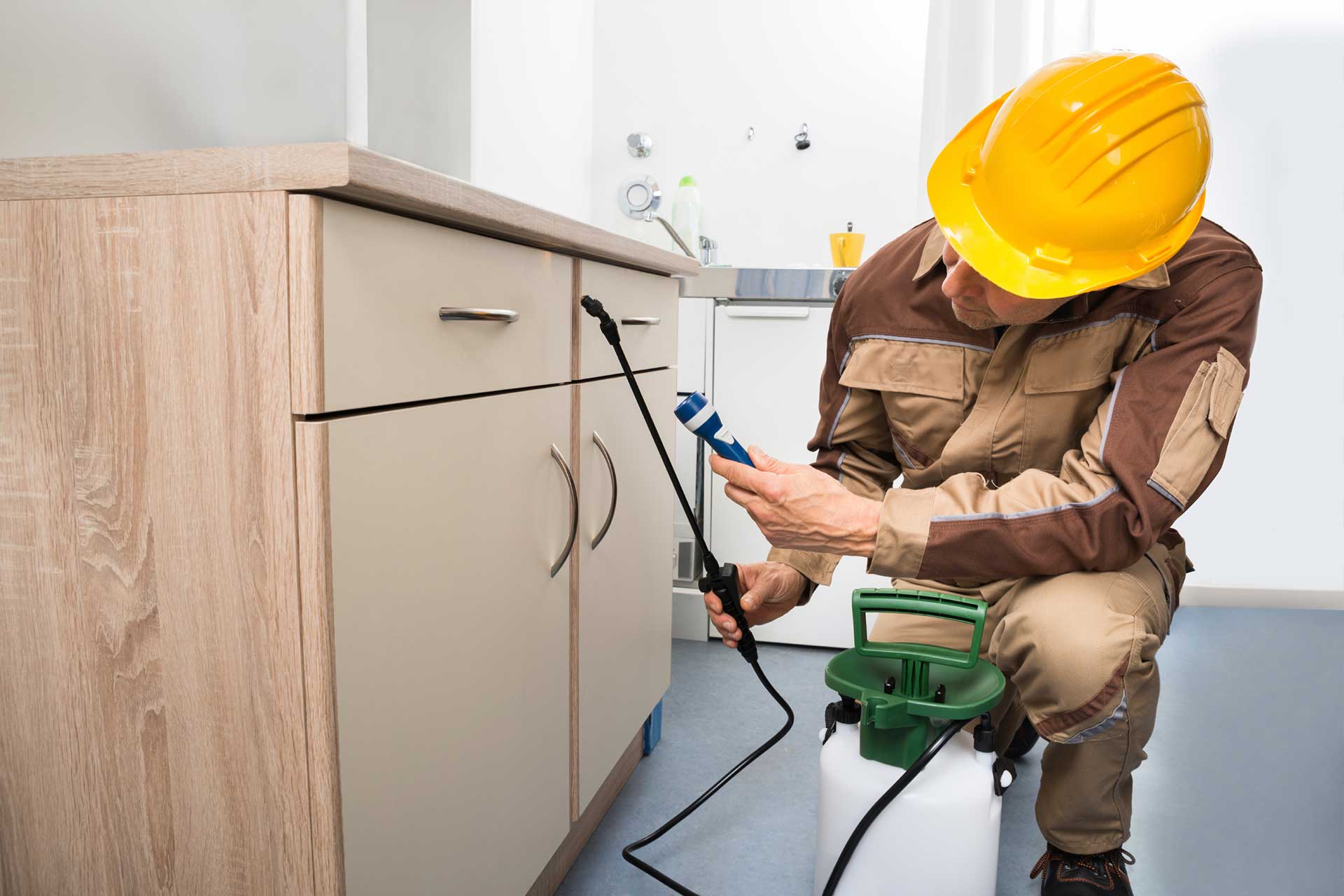
A expert pest control service typically commences with a detailed assessment to identify pest kinds, access points, and favorable environments relating to the problem. The expert should invest time checking both internal and exterior zones, paying specific care to cooking areas, bathrooms, basements, and boundary foundations where pest activity frequently focuses. After this examination, the expert should describe their results in thoroughness and suggest a service approach customized to your specific circumstances, discussing both the designated creatures and the procedures recommended for treating them. You may get setup guidelines before procedure, potentially containing relocating belongings, emptying particular areas, or safeguarding pets. In the course of the service, the technician will employ suitable substances to targeted areas depending on the pest species found, concentrating on gaps, openings, and pest harborage zones rather than scattering treatments over complete regions. They may position surveillance devices like bug traps or bait stations that support track development and provide sustained defense. After finishing treatments, a qualified person should clarify any post-treatment guidelines such as airflow specifications, occupancy durations, or surfaces to wash. Before departing, they should plan follow-up appointments if required for notably stubborn pests like bedbugs or German insects that commonly require several treatments for full eradication. Within this procedure, technicians should encourage inquiries and give obvious information about the materials and approaches employed, reflecting their instruction and dedication to both success and wellness.
Effective pest control is an vital element of sustaining sanitary, secure dwelling and business environments in New Jersey. From the moist warm seasons that generate mosquitoes and blood-sucking insects to the colder months when rodents seek shelter within, pest pressures stay a ongoing problem for occupants and businesses in Monmouth County and Matawan. By understanding frequent creatures, applying preventive steps, and recognizing when to pursue expert support, building managers can defend their properties and the wellness of residents.
Taking a anticipatory approach to pest control is always increasingly productive and affordable than responding to active issues. Routine evaluations, appropriate preservation, and handling tiny concerns before they escalate can prevent the significant expenses and disruptions linked with serious pest troubles. When specialist assistance grows necessary, choosing a respected, authorized pest control specialist who applies integrated pest treatment principles guarantees successful results with limited environmental effect.